

Dental implants can replace missing teeth in a stable and natural-looking way, but successful treatment starts long before the implant is placed.
Why assessment comes first
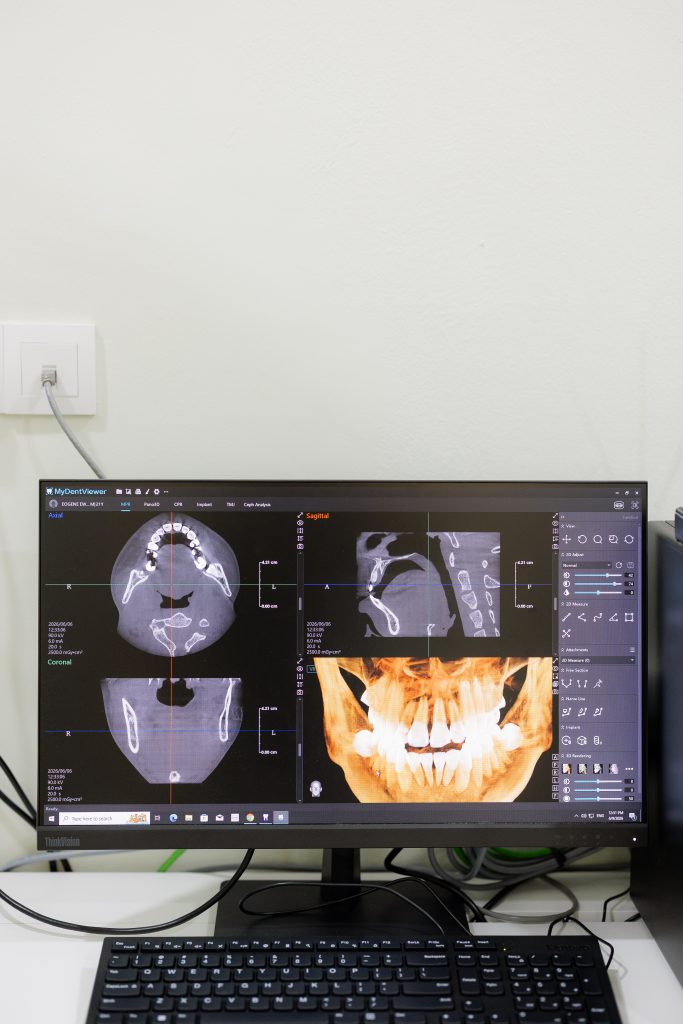
A dentist needs to check the gums, bone, bite and nearby teeth before confirming whether an implant is suitable. 3D imaging may be used to understand the available bone and important anatomical structures.
This planning stage helps the team decide whether implant treatment is straightforward or whether additional steps may be needed first.
What patients should expect
Implant treatment is usually planned in stages. These may include consultation, imaging, implant placement, healing, crown design and review appointments.
Healing time varies from patient to patient. Smoking, gum disease, medical conditions and oral hygiene can affect the treatment plan and maintenance needs.
- Keep the implant area clean as instructed by your dentist.
- Attend maintenance visits so the gums and bite can be checked.
- Report pain, swelling, looseness or bleeding early.
- Protect the final crown from heavy clenching or grinding where possible.
Long-term care matters
Implants cannot decay like natural teeth, but the gum and bone around them still need care. Regular cleaning and review appointments help protect the investment.
Mori Dental can guide you through the full pathway, from assessment to restoration and maintenance.
Missing a tooth or planning ahead?
Book an implant consultation to discuss 3D assessment, treatment suitability and your replacement options.
